What Are The Different Types Of Sock Knitting Machines
There are several types of sock knitting machines, each with its own unique features and capabilities.
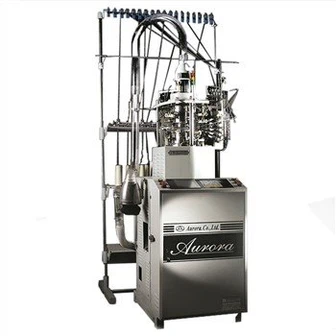
One common type is the circular sock knitting machine. This machine uses a circular bed with multiple needles to create seamless socks. The circular design allows for continuous knitting, which increases productivity.
Circular sock knitting machines can produce a wide range of sock sizes and styles, from thin dress socks to thick athletic socks. They are often used in large production facilities due to their efficiency and ability to handle large production runs.
Another type is the flatbed sock knitting machine. As the name suggests, this machine has a flatbed with needles arranged in a row. Flatbed sock knitting machines are known for their precision and versatility.
They can create intricate patterns and designs, making them popular among artisans and small-scale producers who want to create unique, high-quality socks. However, they are generally slower than circular machines and are better suited for lower production runs.
There are also computer-controlled sock knitting machines. These machines are equipped with advanced technology that allows for highly customized sock production. Through computer programming, it is possible to create intricate patterns, add logos or designs, and even adjust the fit and size of the socks.
Computerized sock knitting machines offer great flexibility to meet the needs of a wide range of customers, from individual consumers seeking personalized socks to large companies that require branded merchandise.
In addition to these main types, there are sock knitting machines that are specialized for specific purposes. For example, there are machines designed to knit socks that start at the toe and knit all the way to the cuff. There are also machines for knitting seamless toe socks, which eliminate the traditional seam at the toe for added comfort.
Overall, the different types of sock knitting machines offer sock producers a variety of options, depending on their production needs, skill level, and desired product features.